Silver Price Outlook Q3 2026: Supply Constraints and Industrial Demand Drive Growth
The global silver market is entering a pivotal phase in the second half of 2026. After a strong first half marked by sustained industrial demand and tightening above-ground inventories, Q3 2026 presents a landscape of structural supply deficits, surging consumption from solar energy and electronics manufacturing, and supportive macroeconomic factors that point toward continued upward pressure on silver prices. For international buyers — particularly those sourcing from Hong Kong — understanding these dynamics is critical to procurement timing and contract strategy.
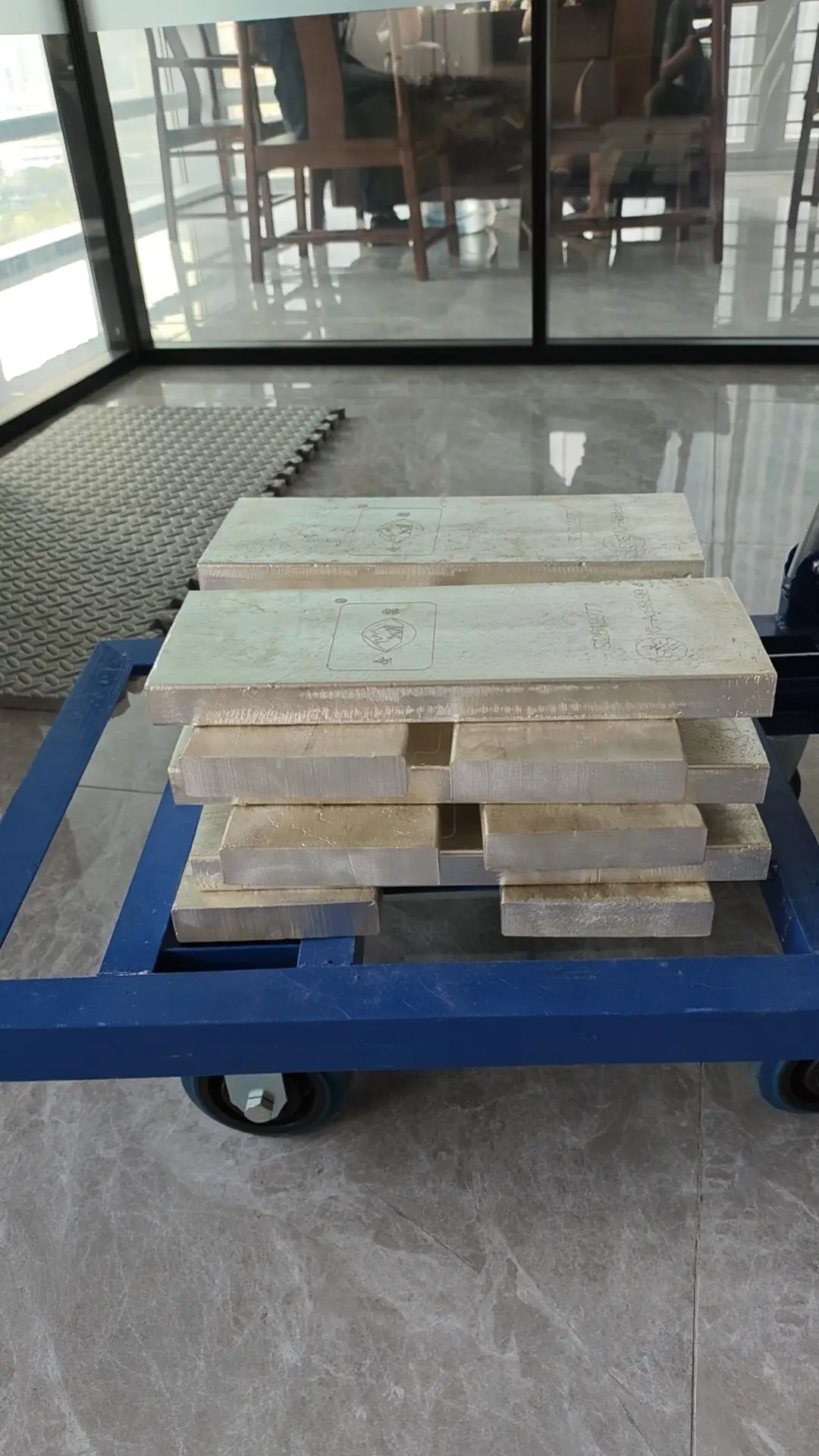
Structural Supply Deficit Widens
Silver mine production has been under pressure for several consecutive years. Global output in 2025 was estimated at approximately 26,000 tonnes, constrained by declining ore grades at primary silver mines in Mexico and Peru, operational disruptions, and a lack of new greenfield projects coming online. In 2026, production is forecast to remain flat or decline modestly, as several aging mines approach end-of-life and replacement projects face extended permitting timelines.
Recycling supply, while a growing contributor, cannot fully compensate for the primary production gap. The World Silver Survey 2026 projects a fourth consecutive year of structural deficit — annual consumption exceeding new supply by an estimated 4,000–5,000 tonnes. This sustained drawdown on above-ground inventories is having a measurable impact on price support levels. COMEX warehouse stocks have declined notably, and LBMA vault holdings in London, though still substantial, have seen consistent withdrawals over the past 18 months.
Key Data Point: The global silver market has been in a structural deficit since 2021, with the cumulative shortfall now estimated at over 15,000 tonnes drawn from above-ground inventories. This is the longest consecutive deficit period in modern silver market history.
Industrial Demand — Solar Energy Leads the Charge
Industrial fabrication accounts for over 50% of total silver demand, and within that segment, the photovoltaic (solar) industry has become the single largest growth driver. Silver is an irreplaceable component in photovoltaic cell manufacturing — used as a conductive paste in the front-side metallization of silicon solar cells. Each gigawatt of installed photovoltaic capacity requires approximately 15–20 tonnes of silver.
Global solar installations in 2025 reached an estimated 650 GW, and 2026 is on track to surpass 750 GW, driven by aggressive renewable energy targets in China, the United States, India, and the European Union. The US Inflation Reduction Act continues to stimulate domestic solar manufacturing, while Chinese solar panel exports remain robust despite trade frictions. Even with ongoing silver thrifting efforts (manufacturers reducing silver content per cell), total silver consumption for photovoltaics is projected to exceed 280 million ounces in 2026 — up from approximately 230 million ounces in 2024.
Electronics and Electrical Demand
Beyond solar, silver demand from the broader electronics and electrical sector remains strong. Silver's unique combination of highest electrical conductivity, thermal conductivity, and corrosion resistance makes it essential in connectors, switches, circuit boards, and semiconductor packaging. The global electronics market is projected to grow at 4–5% annually, with particular acceleration in 5G infrastructure, data centers, electric vehicle (EV) electronics, and consumer devices.
Electric vehicles represent a particularly compelling demand vector. A conventional internal combustion engine vehicle uses approximately 0.5–1.0 ounces of silver per unit, while a battery electric vehicle uses 1.5–2.5 ounces — driven by higher electrical content in battery management systems, inverters, and sensors. With global EV sales projected to exceed 18 million units in 2026, the incremental silver demand from automotive electrification is significant and growing.
Macroeconomic Tailwinds
The macroeconomic environment in Q3 2026 provides additional support for precious metals. The US Federal Reserve, having concluded its rate-cutting cycle, is maintaining accommodative monetary policy with real interest rates remaining negative. This historically is a bullish backdrop for silver, as the metal competes with bonds and cash for capital allocation. A weaker US dollar index, driven by evolving global reserve currency dynamics, further supports dollar-denominated commodity prices.
Inflation expectations, while moderated from their 2022–2023 peaks, remain above central bank targets in most major economies. Silver's dual role as both an industrial commodity and a monetary metal positions it uniquely to benefit from both cyclical industrial recovery and ongoing inflation hedging demand.
Investment Demand Dynamics
Silver exchange-traded products (ETPs) saw significant inflows in H1 2026, as institutional and retail investors rotated into precious metals amid global economic uncertainty. While gold has reached new nominal highs, the gold-to-silver ratio remains elevated compared to historical averages — currently near 80:1 versus a long-term average of approximately 60:1. Many analysts view this as indicating significant upside potential for silver relative to gold, suggesting room for catch-up appreciation if investor sentiment continues to favor precious metals.
Physical investment demand — bars, coins, and rounds — remains robust, particularly in North America and Europe. The United States Mint, Royal Canadian Mint, and Perth Mint have all reported strong bullion sales in 2026, with silver American Eagle coin sales tracking above the 5-year average.
Implications for Buyers
For silver importers in the US and Japan, the Q3 2026 outlook suggests several actionable strategies:
- Lock in prices early: With sustained deficits and rising industrial demand, waiting for a significant pullback may be risky. Consider using the 10-day price-fix window in your supply contracts to lock prices at favorable levels.
- Diversify sourcing: Hong Kong remains a premier hub for silver trading due to its free port status, proximity to Chinese and Southeast Asian suppliers, and robust banking infrastructure.
- Focus on quality assurance: Ensure all suppliers provide CCIC assay certificates and full LBMA compliance documentation to avoid customs delays.
- Monitor tariff developments: While silver bullion imports to the US are generally duty-free under HTS 7106.91, stay informed about any changes to Section 232 or Section 301 trade actions.
Conclusion
The Q3 2026 silver market is characterized by tightening fundamentals: declining mine supply, robust and growing industrial demand from solar and electronics sectors, a supportive macroeconomic environment, and bullish investor sentiment. While short-term price volatility is inevitable — driven by USD movements, rate expectations, and geopolitical developments — the medium-term trajectory remains decisively positive. Buyers who secure supply early through reliable partners like Hong Kong Changjiang International Limited will be well positioned to navigate this dynamic market.
📩 Ready to secure your silver supply?
HK Changjiang offers LBMA-compliant silver bars, grains, and powder with competitive pricing and flexible contract terms. Contact us for a quotation.
Request a Quote Chat on WhatsApp📖 Related: Home | View Our Silver Products | Hong Kong Silver Export Guide | US Silver Import Guide